
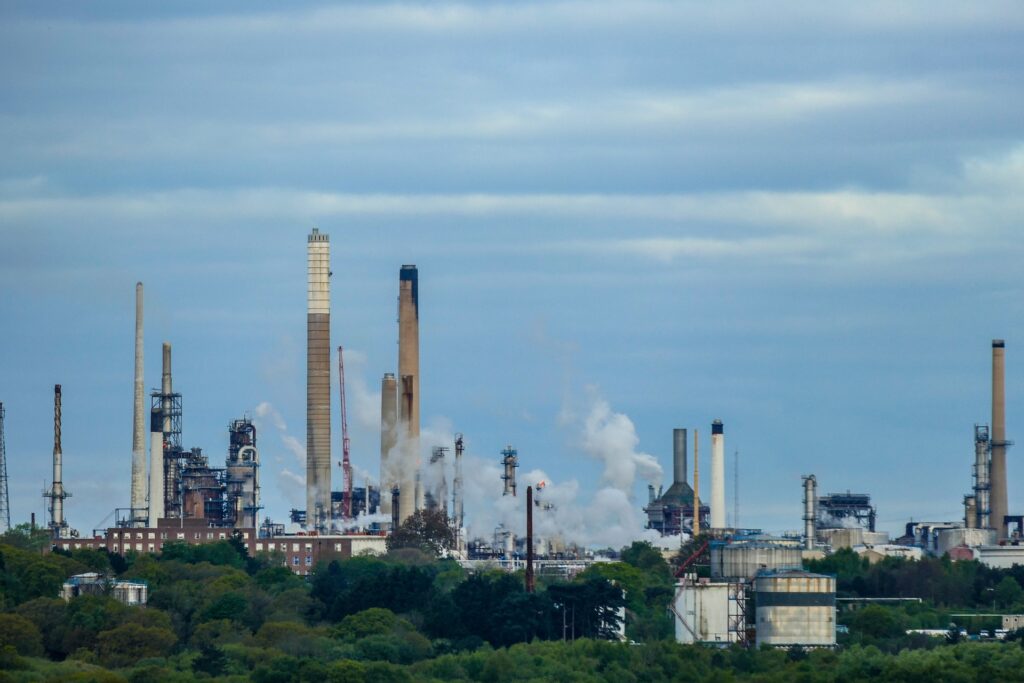
Iran Israel oil prices June 2025
Iran Israel oil prices June 2025 remained surprisingly stable despite rising military tension between the two countries.
In this article, we analyze six reasons why oil prices remained stable despite conflict…
🔥 1. Iran Israel Oil Prices Unaffected by Infrastructure Damage
Despite the military activity on June 22–23, none of the affected zones included oil refineries, pipelines, ports, or tankers. In previous episodes of Middle East conflict, price surges were often triggered when supply chains were threatened. This time, key infrastructure remained untouched.
Markets recognized that there was no physical interruption in oil flow, which significantly reduced panic. As long as oil continues to move freely out of the Persian Gulf, prices will likely remain range-bound.
🛡️ 2. OPEC+ Helps Stabilize Iran Israel Oil Prices
OPEC+, led by Saudi Arabia and the UAE, still holds millions of barrels per day in spare capacity. This gives the alliance the ability to counteract any temporary disruptions.
Just hours after the news broke, OPEC officials reassured markets that they were monitoring the situation and stood ready to act if needed. That message alone helped suppress speculation.
Moreover, Iran itself remains under heavy export sanctions, meaning its market presence is already limited.
📉 3. U.S. Shale Output Acts as a Supply Cushion
The United States has steadily increased its shale oil production since early 2024. In June 2025, U.S. output is near record highs, serving as a stabilizing force globally.
Investors see U.S. shale as a flexible supply source. If Middle East volumes dip, shale producers can ramp up quickly. That responsiveness helped keep global crude markets from overreacting.
💵 4. Strong Dollar Suppresses Demand
Another factor often overlooked is the strength of the U.S. dollar. As the Fed signals higher-for-longer interest rates, the dollar continues to strengthen.
Oil is priced in dollars, so a stronger dollar makes oil more expensive for buyers using euros, yuan, or yen. This dynamic reduces global demand, further muting any potential price rally—even during wartime.
🐉 5. China’s Oil Demand Recovery Stalls
China remains the world’s top crude importer, but its economic indicators have remained soft. Industrial output and construction investment both showed contractions in May and June.
Lower-than-expected demand from China means fewer upward pressures on global prices. Even if tension rises, the lack of Asian demand growth limits price elasticity.
Thus, Iran Israel oil prices in June 2025 did not reflect war anxiety—but rather global fundamentals.
🧠 6. How Iran Israel oil prices June 2025 Stayed Calm Amid Tensions
This is perhaps the most important reason. Traders knew for weeks that something could happen. Satellite surveillance, political rhetoric, and troop positioning were all being watched.
By the time missiles flew, most portfolios had already adjusted. That means no new panic—just confirmation of expected risks.
Modern energy markets are less reactive to noise and more responsive to actual damage or sustained sanctions.
📌 Related:
📌 Iran-Israel Oil Conflict Timeline – June 2025
🌍 External Source
Reference: Reuters – June 23, 2025
🖼️ Featured Image
Image Source: michaelmep (Pixabay)
🧭 What This Means for Global Energy Markets
The Iran Israel oil prices in June 2025 episode teaches us something vital: markets are no longer shocked by headlines alone.
As long as real barrels aren’t taken offline, prices stay rational. However, this also creates the risk of underpricing future escalations that do cause damage.
💬 Final Thoughts
Despite the risk, Iran Israel oil prices in June 2025 didn’t react. This was not a sign of complacency—but a reflection of well-functioning global supply dynamics, surplus capacity, and informed market behavior.
But make no mistake: the next strike could be different. If oil terminals or tankers are targeted, the calm may not last.
Meta Description:
Iran Israel oil prices in June 2025 didn’t surge despite conflict. Discover 6 key reasons why markets stayed calm and what it means for oil traders now.