
What Experts Say About US Strikes Iran Oil June 2025
On June 22, the United States carried out targeted airstrikes against Iranian nuclear infrastructure near Natanz and Fordow. According to the Pentagon, these strikes aimed to disrupt uranium enrichment efforts after intelligence suggested Iran had surpassed previously agreed thresholds. Despite fears of a supply shock, oil prices remained steady following the US strikes on Iran oil in June 2025, surprising analysts and investors alike.
💰 Oil Prices Stay Surprisingly Calm
Contrary to historical patterns, global oil prices remained relatively unchanged in the aftermath. As of June 23:
- Brent crude: $81.63/barrel
- WTI crude: $77.42/barrel
- Price change: Less than 0.5% since June 21
Market watchers had expected a spike due to fears of retaliation or supply disruption. Instead, traders appeared unfazed. Why?
📊 Why the Market Didn’t Panic: 4 Key Factors
1. Supply Cushion from Non-OPEC+ Countries
The U.S., Brazil, and Canada have significantly increased output in recent months, creating a buffer against Middle Eastern disruptions.
“There’s simply too much oil in the pipeline for one conflict to shake the whole system,” says energy analyst Dana Kwon.
2. Iran’s Muted Response
Tehran condemned the strikes but did not retaliate militarily. Its statement emphasized “strategic patience,” signaling to markets that escalation was unlikely.
Many traders noted that the US strikes on Iran oil in June 2025 were expected to cause volatility, but the market held firm.
3. No Emergency Response from OPEC+
OPEC+ held an emergency virtual session but declined to adjust quotas. Saudi Arabia reiterated its commitment to market stability, easing fears of a retaliatory production cut.
Even after the US strikes on Iran oil in June 2025, OPEC+ chose not to intervene, signaling confidence in supply conditions.
4. Weak Global Demand Outlook
China’s Q2 GDP growth was revised down to 4.3%, and the IMF downgraded global oil demand forecasts by 0.5%. Traders saw little reason to bid prices up amid cooling demand.
US Strikes Iran Oil June 2025: Global Reactions
🌍 Global Reactions: Restraint Over Escalation
While some media outlets speculated on the risk of full-scale conflict, major powers signaled caution:
- UN called for “de-escalation diplomacy.”
- EU urged both sides to return to nuclear deal talks.
- Israel remained silent, a sign of tacit approval.
🧠 What Experts Say About US Strikes on Iran Oil (June 2025)
“This was a political signal, not a supply shock,”
— Tom Lee, Fundstrat
“Unless there’s a pipeline hit, the oil market will stay focused on macro data, not missiles.”
— Olivia Mah, CrudeFlow Analytics
🧭 Conclusion: Oil Ignores the Missiles—for Now
The June 22 strikes were historic—but oil traders barely flinched. That may change if Iran’s “strategic patience” wears thin or if the conflict expands to target infrastructure. For now, markets are pricing in calm over chaos, even in the face of recent strikes”

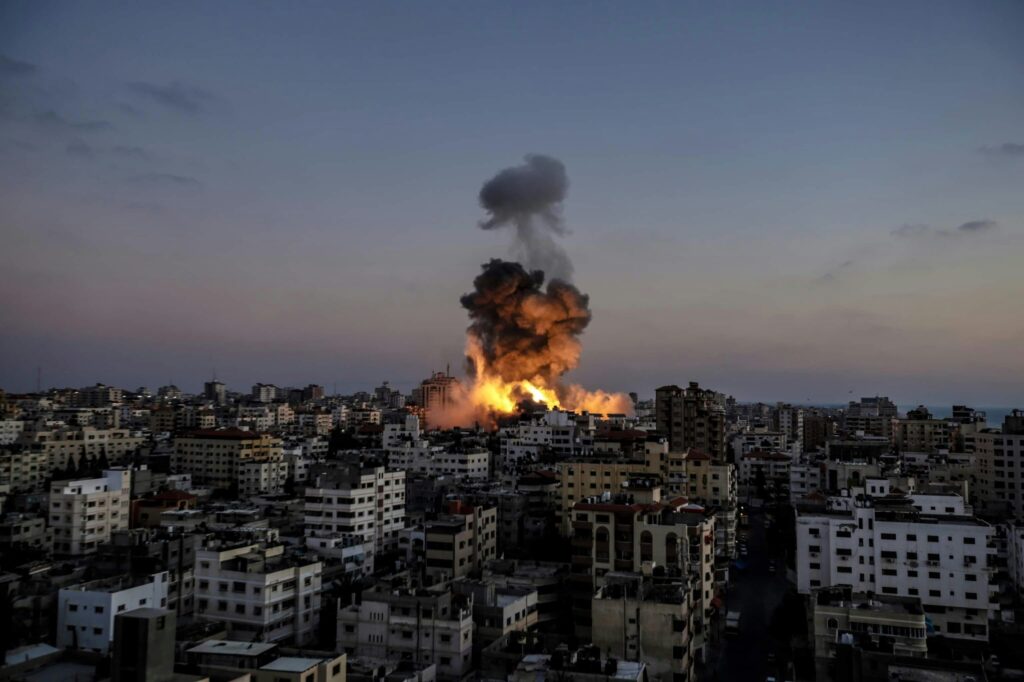
Alt: Airstrike over Middle Eastern city after US strikes on Iran – June 2025Images: Mohammed Ibrahim via Unsplash
Alt: Oil price chart reacting to US-Iran tensions – June 2025Image: AI-generated via Pixabay
🧾 Sources
- Reuters – US-Iran tensions fail to rattle oil
- Al Jazeera – Iran vows no escalation
- Bloomberg – Crude traders shrug off conflict
Related: Oil Price Prediction for 2025